

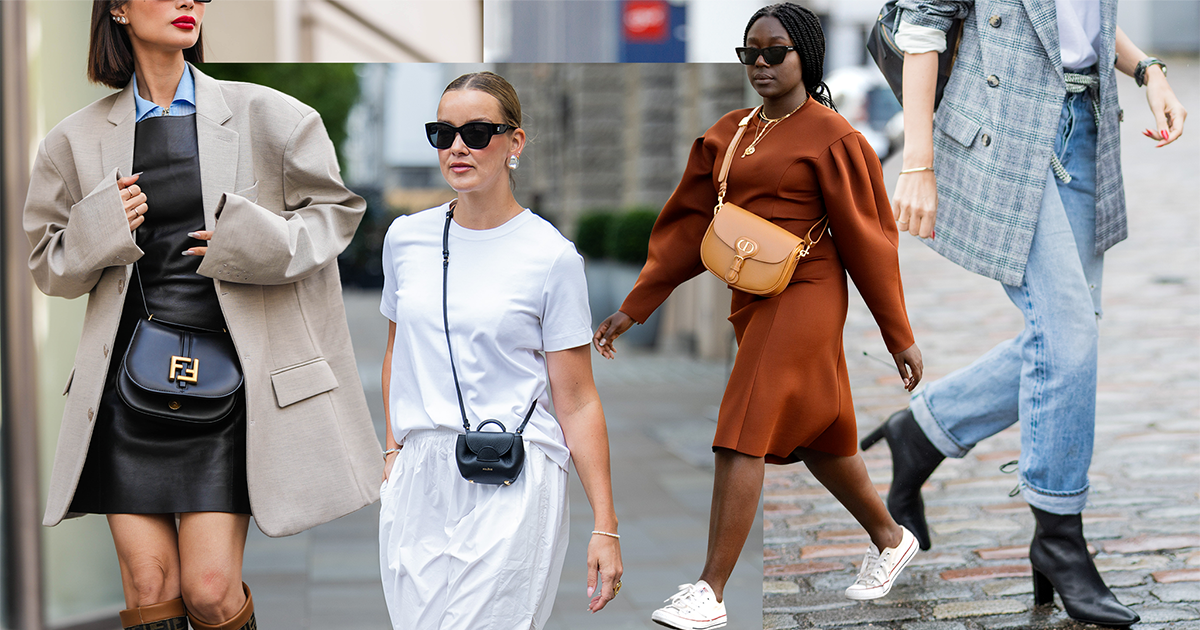
The concept of a capsule wardrobe has revolutionized the way modern individuals approach personal style. By curating a minimalist collection of high-quality, interchangeable garments, fashion enthusiasts can eliminate decision fatigue, save valuable closet space, and promote a more sustainable lifestyle. However, a common critique of strict capsule wardrobes is that they can quickly feel repetitive or overly simplified. Wearing the same neutral trousers, tailored blazers, and crisp white button-downs week after week can leave even the most dedicated minimalist craving creative expression.
This potential monotony is where accessories step in as the ultimate game changer. While apparel forms the foundation of any outfit, accessories serve as the dynamic accents that transform identical base garments into entirely distinct looks. Incorporating strategically chosen belts, scarves, jewelry, footwear, and bags enables a minimal garment collection of just fifteen or twenty pieces to produce dozens, if not hundreds, of unique ensembles. Understanding how to leverage these smaller accents unlocks the full potential of a capsule wardrobe without compromising its core principle of intentionality.
The Strategy Behind Accessorizing a Minimalist Wardrobe
To build a truly functional capsule wardrobe, one must understand the relationship between base clothing and accent pieces. Base garments—such as tailored slacks, simple denim, structured blazers, and classic T-shirts—should feature neutral tones, clean silhouettes, and minimal patterns. These items act as a clean canvas, providing structural coherence to your daily attire.
Accessories act as the focal points that direct the narrative of your outfit. A change in footwear or jewelry instantly shifts the formality, mood, and seasonal alignment of an ensemble. By shifting the visual emphasis away from the clothing and onto these carefully selected details, you create the illusion of a vast, ever-changing closet while maintaining a lean, clutter-free physical space.
Key Accessory Categories That Transform Basic Clothes
Mastering the art of the capsule wardrobe requires intentionality in selecting high-impact accessory categories. Each distinct category offers unique functional and aesthetic benefits that expand your outfit potential.
Footwear: Setting the Tone and Context
Footwear serves as the primary indicator of an outfit’s overall formality and context. A basic neutral turtleneck paired with tailored wide-leg trousers takes on three completely different personas depending on the shoes selected.
-
White Leather Sneakers: Ground the look in casual, effortless street style suitable for weekend errands or informal lunches.
-
Pointed-Toe Leather Loafers: Instantly elevate the exact same combination into a sharp, office-ready business casual outfit.
-
Pointed Ankle Boots or Strappy Heels: Add sophistication and height, seamlessly transitioning the ensemble into evening dinner attire.
Jewelry: Adding Polish and Personality
Jewelry operates as the fine detail work of personal style. Because jewelry sits close to the face and hands, it naturally draws attention and communicates personal aesthetic preferences without cluttering the silhouette.
-
Minimalist Metals: Delicate gold chain necklaces, structural hoop earrings, and simple stacking rings provide subtle polish for daily professional environments.
-
Statement Pieces: Chunky silver cuffs, dramatic drop earrings, or layered vintage lockets serve as powerful conversation starters that revitalize simple base garments.
-
Textural Variety: Alternating between matte metals, polished finishes, natural gemstones, and pearls prevents a neutral wardrobe from looking flat or washed out.
Belts: Structuring the Silhouette
Belts are often underappreciated workhorses in modern styling. Beyond their functional purpose of securing fit, belts play a critical role in defining body proportions and adding textural contrast to monochromatic outfits.
A classic medium-width black leather belt with a polished brass buckle grounds casual denim and tailored slacks alike. Swapping that for a wide, structured waist belt over an oversized blazer instantly creates an architectural hourglass shape, turning a relaxed work garment into a sharp statement piece.
Scarves and Fabric Accents: Introducing Pattern and Movement
For those hesitant to purchase brightly colored clothing that might clash with other capsule pieces, scarves provide a low-risk avenue for experimentation. A lightweight silk square scarf tied around the neck, woven through hair, or wrapped along the handle of a neutral tote introduces movement, vibrant color, and pattern without cluttering the core wardrobe.
During colder months, rich cashmere or heavy wool scarves in bold check prints or warm jewel tones provide necessary warmth while serving as the primary visual element of an outfit.
Maximizing Versatility Through Textural and Color Contrast
A common pitfall when assembling a capsule wardrobe is creating a collection that feels visually flat. When every piece shares a similar matte texture, outfits can easily look bland. Accessories offer the ideal medium to introduce contrasting textures and subtle color variations that add depth to simple outfits.
Combining Textures for Depth
When your clothing consists of simple cottons, knits, and suitings, rich textures in your accessories elevate the entire presentation. Pairing a soft wool knit sweater with a smooth glazed-leather handbag, a snake-embossed belt, and high-shine metallic earrings creates a rich, tactile experience. The visual contrast between these surfaces keeps monochrome or neutral outfits visually intriguing.
Strategic Color Pops
In a traditional capsule wardrobe dominated by black, navy, camel, cream, and gray, accessories provide controlled bursts of color. A bright red leather handbag, olive green suede boots, or a deep cobalt blue silk scarf can completely shift the energy of a neutral foundation. Because these colorful items are small, they remain easy to mix and match with every base piece in your closet.
Essential Principles for Curating Your Accessory Capsule
Building an effective accessory collection requires the same thoughtful curation as building your main clothing capsule. To avoid accumulating unnecessary clutter, apply these fundamental principles to every potential addition.
-
Focus on Superior Quality: Because you will wear your core accessories far more frequently than trend items, invest in durable materials like full-grain leather, solid brass or sterling silver, and high-grade natural textiles.
-
Maintain Cohesive Metal Tones: Choose a primary metal tone—such as warm gold or cool silver—that complements your skin tone and existing wardrobe base, making daily mixing and matching effortless.
-
Prioritize Multi-Functional Designs: Look for items that serve multiple purposes, such as convertible bags that transform from totes to backpacks, or long necklaces that can be doubled into chokers.
-
Select Timeless Shapes Over Micro-Trends: Opt for classic silhouettes in eyewear, handbags, and shoes that maintain their elegance across changing fashion cycles.
Frequently Asked Questions
How many accessories should be included in a standard capsule wardrobe?
There is no rigid rule, but a well-rounded accessory capsule generally includes eight to twelve core pieces. A balanced mix typically features two pairs of versatile everyday shoes, two functional handbags, two or three high-quality belts, a select set of mix-and-match jewelry staples, and one or two seasonal scarves or hats.
Can mixed metals be worn together in a minimalist capsule wardrobe?
Yes, mixing gold and silver can add contemporary sophistication to simple outfits. To make mixed metals look intentional rather than accidental, look for pieces that naturally feature dual-tone metals, or deliberately layer a delicate gold chain alongside a clean silver piece to tie the look together.
How do you choose the right handbag color for a neutral capsule wardrobe?
The ideal starter handbag color depends on the dominant base neutral of your clothing. If your wardrobe leans toward black, navy, and cool gray, a rich black or deep charcoal bag offers maximum versatility. If your clothes favor cream, warm beige, brown, and olive, a warm tan or cognac leather bag serves as the most cohesive daily anchor.
What is the most versatile type of footwear for a capsule wardrobe?
A clean, minimal leather loafer or a sleek leather ankle boot offers the highest degree of versatility. Both options transition seamlessly between casual daytime activities and professional office environments, working equally well with tailored trousers, dark denim, and casual dresses.
How can accessories make workwear feel appropriate for evening events?
To transition a daytime work outfit to an evening setting, swap large practical items for refined accents. Replace a heavy work tote with a sleek clutch, swap flat loafers for heels or pointed boots, remove structured outerwear, and trade subtle daily jewelry for bold statement pieces like drop earrings or a cuff bracelet.
What is the best way to organize and care for leather accessories to ensure longevity?
Keep leather items clean and supple by applying a quality leather conditioner every few months. Store handbags stuffed with tissue paper inside breathable dust bags to preserve their structure, and hang belts flat or roll them loosely in a dry drawer away from direct sunlight to prevent cracking.

Comments are closed.