

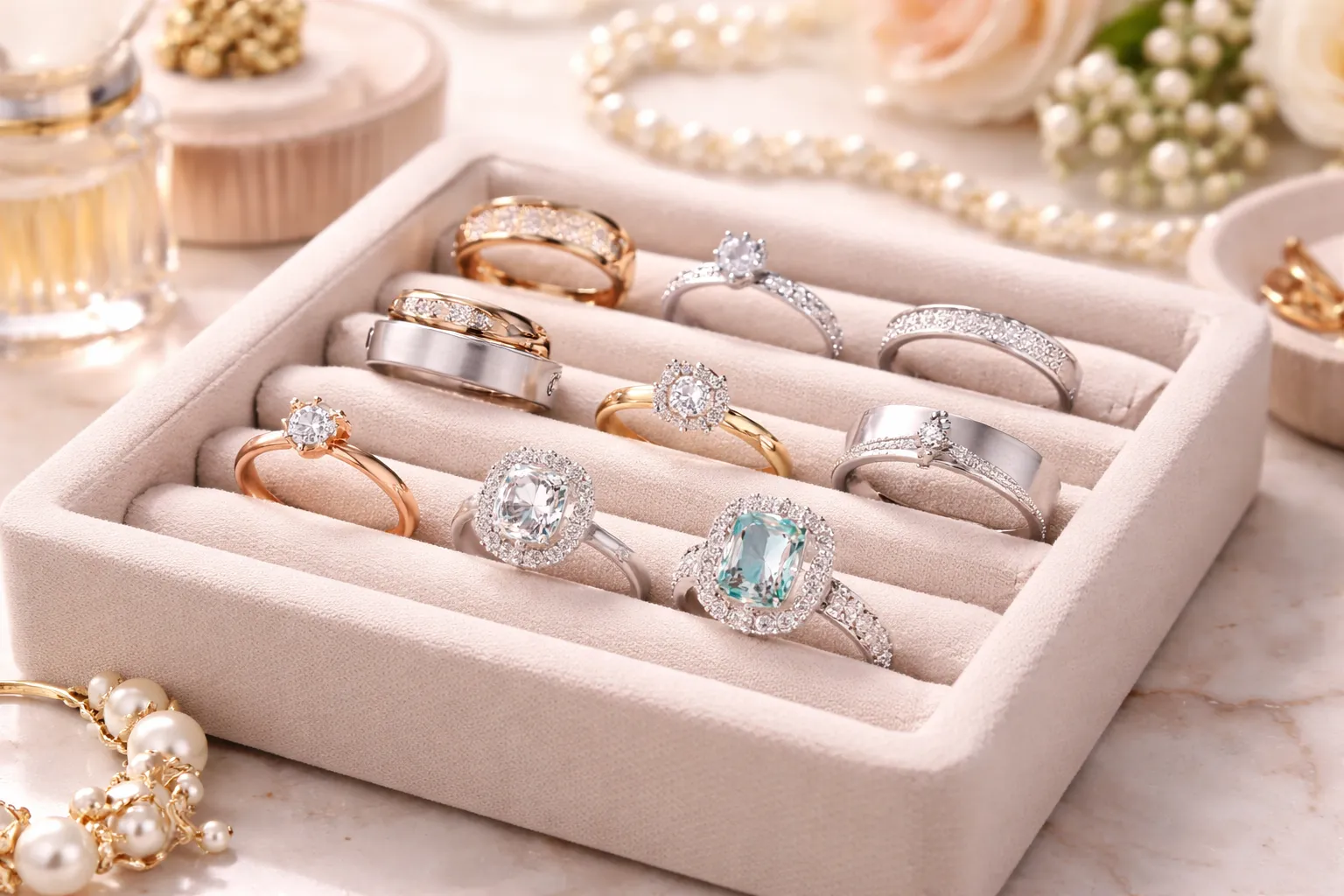
Selecting an engagement ring is one of the most personal, significant, and memorable purchases you will ever make. It is a piece of fine jewelry that combines emotional sentiment, personal aesthetics, and a financial investment. Because an engagement ring is meant to be worn daily for a lifetime, choosing the right piece requires thoughtful consideration of materials, design styles, practical lifestyle needs, and budget.
Navigating the world of fine jewelry can initially feel overwhelming given the technical jargon surrounding gemstones, metal alloys, and diamond grading systems. However, breaking the process down into clear, manageable steps allows you to approach the purchase with clarity and confidence.
Mastering the 4 Cs of Diamond Selection
For over half a century, the quality and value of diamonds have been evaluated using four primary characteristics known globally as the 4 Cs: Cut, Color, Clarity, and Carat weight. Understanding how these factors interact helps you prioritize what matters most within your budget.
Cut: The True Source of Sparkle
The cut of a diamond refers not to its shape, but to how well its facets interact with light. A masterfully cut diamond reflects light internally from one facet to another and disperse it through the top of the stone, creating brilliance and fire. Even a diamond with flawless clarity and pure color will appear dull if the cut is too shallow or too deep. Prioritizing cut grade ensures maximum visual impact regardless of overall stone size.
Color: Assessing Whiteness
Diamond color is graded on a scale ranging from D (completely colorless) to Z (light yellow or brown). Truly colorless diamonds are exceptionally rare and command higher prices. However, diamonds in the G to J range appear virtually colorless to the untrained eye when set in precious metals, offering exceptional beauty while allowing budget flexibility for other factors like cut or carat size.
Clarity: Measuring Natural Imperfections
Clarity measures the microscopic internal inclusions and external blemishes naturally formed within the diamond during its creation. The scale ranges from Flawless (FL) to Included (I). Diamonds in the Very Slightly Included (VS1/VS2) and Slightly Included (SI1/SI2) categories typically offer eye-clean perfection, meaning inclusions cannot be seen without specialized magnification.
Carat: Understanding Size and Weight
Carat measures a gemstone’s physical weight rather than its dimensional size. One carat equals 0.2 grams. Because carat weight scales exponentially in price, opting for slightly under major size milestones—such as selecting a 0.90-carat stone instead of a full 1.00-carat diamond—can yield substantial savings without a noticeable visual difference in dimensions.
Exploring Gemstone Options: Natural, Lab-Grown, and Colored Gems
While traditional natural diamonds remain a popular choice, modern couples have access to a broader variety of beautiful, high-quality gemstone alternatives than ever before.
-
Natural Diamonds: Formed deep within the Earth over billions of years, natural diamonds carry timeless appeal, historic prestige, and enduring value.
-
Lab-Grown Diamonds: Created using advanced technology replicating the high heat and pressure of natural formation, lab-grown diamonds possess identical physical, chemical, and optical properties to natural diamonds. They offer a larger stone size per dollar while eliminating traditional mining considerations.
-
Moissanite and Colored Gemstones: For those seeking unique aesthetics, precious gemstones like sapphires, rubies, and emeralds offer vibrant color choices. Moissanite, a silicon carbide crystal, delivers immense durability and brilliant rainbow refraction at a fraction of the cost of diamonds.
Selecting the Ideal Ring Setting and Style
The setting not only secures the central gemstone, but also defines the architectural character of the ring. Matching the style to the wearer’s daily lifestyle, wardrobe preferences, and personal aesthetic is key.
Solitaire Settings
The classic solitaire features a single central stone mounted on a plain band. It remains the most timeless engagement ring design, focusing all visual attention directly on the center gem. Its clean lines make it versatile and easy to pair with almost any wedding band.
Halo Settings
A halo setting surrounds the central gemstone with a frame of smaller accent diamonds. This configuration increases the overall surface brilliant area of the ring, creating the visual illusion of a significantly larger center diamond while adding vintage-inspired glamour.
Three-Stone Settings
Representing a couple’s past, present, and future, the three-stone setting features a central diamond flanked by two complementary side stones. The side gems can match the center stone or contrast in shape, such as pairing an oval center diamond with pear-shaped side accents.
Vintage and Art Deco Styles
Characterized by intricate filigree, milgrain edging, and geometric shapes, vintage-inspired settings offer romantic, historic character. These rings appeal to those who appreciate artistic craftsmanship, antique detailing, and unique heirloom aesthetics.
Choosing the Best Precious Metal for the Band
The metal you select forms the structural foundation of the ring and sets the tone for its color palette. Consider the wearer’s existing jewelry collection to choose a metal that blends harmoniously with their daily accessories.
-
Platinum: A naturally white, dense, and hypoallergenic precious metal. Platinum does not wear away over time; instead, it develops a soft patina finish. Its strength makes it exceptionally secure for holding precious gemstones.
-
White Gold: Created by alloying pure gold with white metals like nickel or palladium and finished with a rhodium plating. It offers the sleek appearance of platinum at a lower price point, though it requires occasional re-plating every few years to maintain its bright white finish.
-
Yellow Gold: The traditional gold choice that provides warm contrast against white diamonds. Modern yellow gold alloys are durable and offer a classic, vintage-inspired look.
-
Rose Gold: Produced by mixing gold with copper alloys, rose gold boasts a distinct pinkish hue. It offers a romantic, modern aesthetic that flatters a wide range of skin tones.
Key Steps for Determining the Correct Ring Size
Finding the correct ring size discreetly requires careful planning. An ill-fitting ring can lead to immediate resizing hassle or the risk of losing a loose ring.
-
Borrow an Existing Ring: Carefully take a ring your partner wears on their ring finger and trace the inside circumference on paper or bring it to a jeweler for measurement.
-
Enlist Help: Ask close friends or family members to help subtly gather ring sizing details or take your partner ring shopping under the guise of buying gift items.
-
Consider Band Width: Broader bands fit more snugly than thin bands, so you may need to order a half size larger for wide-band engagement ring designs.
Frequently Asked Questions
How far in advance should I start shopping for an engagement ring?
It is best to start the search at least two to three months before your planned proposal date. Finding the right stone, customizing settings, ordering specific ring sizes, and allowing time for engraving or shipping often takes several weeks.
How much should I realistically spend on an engagement ring?
The old guidelines suggesting two or three months of salary are outdated. The right budget is an amount you feel comfortable spending without incurring high-interest debt, taking into account your personal financial priorities, lifestyle, and preferences.
What is the most durable diamond shape for daily wear?
Round brilliant cut diamonds are exceptionally durable because they feature no sharp points or exposed corners. Shapes with sharp points, such as marquise, princess, or pear cuts, require protective prong settings like V-prongs to prevent chipping along the edges during daily activities.
Can an engagement ring be resized if it does not fit after the proposal?
Most ring settings made of gold or platinum can easily be resized up or down by one to two sizes. However, full eternity bands with diamonds spanning the entire perimeter or rings with intricate metal filigree along the shank can be difficult or impossible to resize.
What is the difference between an appraisal and a diamond grading certificate?
A diamond grading certificate from an independent laboratory evaluates the physical quality and 4 Cs of the loose stone. An appraisal is a document written by a professional jeweler that provides an estimated financial replacement value of the completed ring for insurance purposes.
Should I insure an engagement ring right away?
Yes, insuring the ring immediately upon purchase protects against potential loss, theft, or accidental damage. Many ring owners add a personal jewelry rider to an existing homeowners or renters insurance policy, or purchase specialized stand-alone jewelry coverage.
How do I maintain and clean an engagement ring at home?
Soak the ring in warm water mixed with a few drops of mild dish liquid for fifteen minutes, then gently brush around the setting and under the stone using an extra-soft toothbrush. Rinse thoroughly under warm water and pat dry with a lint-free microfiber cloth.

Comments are closed.