

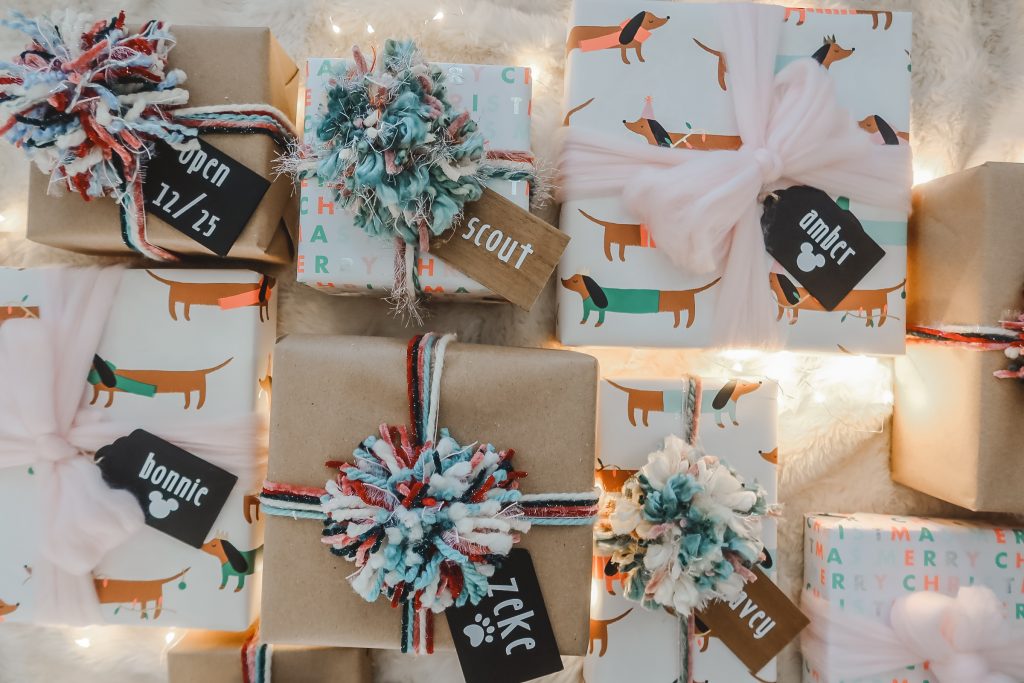
Gift-giving is one of the most cherished ways to express affection, gratitude, and celebration. However, traditional gift wrapping often comes with an unforeseen environmental cost. Millions of tons of single-use wrapping paper, plastic ribbons, metallic bows, and synthetic tapes end up in landfills every holiday season and birthday cycle. Conventional wrapping paper is frequently coated with micro-plastics, glitter, or foil laminates, making it completely non-recyclable.
Transitioning to sustainable wrapping does not mean sacrificing aesthetic beauty or the joy of unboxing. In fact, eco-friendly wrapping techniques often result in more personalized, textured, and memorable presentations than mass-produced, glossy paper ever could. By embracing reusable textiles, recycled paper bases, and natural adornments, you can create stunning gift packages that are light on the planet and rich in creative charm.
1. Furoshiki: The Art of Fabric Wrapping
Originating in Japan, Furoshiki is a centuries-old technique that uses square pieces of fabric to wrap and transport items. This method eliminates the need for paper, plastic tape, and disposable ribbons entirely, replacing them with a gorgeous reusable wrapping that becomes part of the gift itself.
Choosing the Right Fabric
You do not need to buy brand-new fabric to practice Furoshiki. Look around your home for unused textiles or visit local thrift shops.
-
Upcycled Linens: Old silk scarves, vintage handkerchiefs, linen tea towels, and cotton bandanas make incredible wrapping materials.
-
Fabric Scraps: Lightweight cotton, hemp, or linen remnants from sewing projects provide a soft, organic drape.
-
Dual-Purpose Wraps: Use a gift item that is itself a fabric piece, such as a cozy winter scarf, a baby blanket, or a printed kitchen towel.
Mastering the Basic Knot Technique
To wrap a standard box or book using Furoshiki, place your item diagonally in the center of a square cloth. Fold the bottom corner over the item, followed by the top corner. Then, pull the left and right corners together over the center and tie them into a neat double knot. The finished look is sophisticated, structural, and completely self-securing without a single piece of adhesive tape.
2. Reclaimed Brown Paper and Newspaper Artwork
Plain unbleached kraft paper, brown grocery bags, and vintage newsprint offer a clean, rustic canvas that can be styled in endless creative ways. Neutral paper bases are fully biodegradable and recyclable, making them the ultimate zero-waste starting point.
Custom Stamping and Hand-Drawn Designs
Turn plain paper into bespoke wrapping using simple non-toxic inks and hand-crafted stamps.
-
Botanical Prints: Carve simple leaf or floral designs into half a potato or an eraser, dip into water-based ink, and stamp patterns across the paper.
-
Calligraphy and Line Art: Write heartfelt messages, holiday quotes, or simple line illustrations directly onto the paper using fine-liner pens or charcoal.
-
Childhood Doodles: Let children paint or crayon abstract patterns on large sheets of newsprint before wrapping family gifts, adding personal sentimental value.
To wrap seamlessly with paper without plastic tape, fold your edges tightly and secure them using natural jute twine, hemp cord, or plastic-free paper tape made with natural rubber adhesive.
3. Natural Elements and Botanical Embellishments
Ditch plastic stick-on bows and curling synthetic ribbon in favor of real elements harvested directly from nature. Foraging for seasonal flora adds an exquisite tactile element to your gift presentation and brings a touch of the outdoors inside.
How to Style Botanical Accents
Tuck small sprigs of fresh rosemary, pine, or dried eucalyptus beneath your jute twine knot. You can also thread a string through a dehydrated orange wheel and a stick of cinnamon before tying your final bow. The result is a multi-sensory unboxing experience that looks elevated and smells fantastic.
4. Upcycled Glass Jars and Metal Tins
Irregularly shaped items—such as homemade cookies, bath salts, small trinkets, or delicate jewelry—are notoriously difficult to wrap in traditional paper. Instead of reaching for plastic gift bags or tissue paper, utilize durable containers that double as functional storage for the recipient.
Transforming Glass Jars
Mason jars, old glass sauce containers, and vintage candy jars make brilliant vessels for small gifts. Clean the jars thoroughly, remove any paper labels using warm water and baking soda, and place your items inside.
-
Layering Visuals: If giving edible treats or bath products, layer ingredients to create attractive visual bands of color and texture.
-
Lid Decoration: Cover the metal lid with a small circle of scrap fabric tied in place with twine, or paint the top with non-toxic chalk paint to write the recipient’s name.
Repurposing Metal Tins
Old cookie tins and tea canisters offer excellent protection for fragile items. Spray paint them with water-based matte paint, or simply tie a strip of vintage lace around the perimeter to mask corporate branding while creating a charming keepsake box.
5. Reusable Fabric Bags and Canvas Totes
If you want a wrapping solution that takes under thirty seconds while generating zero waste, fabric gift bags are the perfect answer. Reusable drawstring pouches, canvas totes, and embroidered sacks eliminate the hassle of folding, cutting, and taping entirely.
Creating an Everyday Gift Tote
Consider placing your gift inside a sturdy, plain organic cotton canvas tote bag. A quality tote bag serves as functional wrapping on the day of the event and transitions into a practical shopping or grocery bag for years to come.
Sewing Simple Drawstring Bags
If you enjoy basic crafting, you can easily stitch custom drawstring pouches using scrap cloth or old garments. Simply sew three sides of two rectangular fabric pieces, create a small hem along the top edge, and thread a piece of cotton yarn or ribbon through the channel to create an adjustable closure.
Frequently Asked Questions
Is plain kraft paper really better for the environment than regular wrapping paper?
Yes, plain unbleached kraft paper is significantly better. Standard gift wraps often contain synthetic dyes, plastic films, foil stamping, and glitter, which make them unrecyclable. Natural kraft paper is biodegradable, easy to recycle, and requires fewer chemical treatments during manufacturing.
How can I make gift wraps look festive without using synthetic glitter?
You can create sparkle and visual interest using natural alternatives like dried mica flakes, crushed dried flower petals, stamped metallic water-based inks, or polished glass beads threaded onto natural string.
What is the best way to secure paper gift wraps without plastic tape?
Plastic-free alternatives include paper tape with natural rubber adhesive, gummed paper tape, or sealing wax. Alternatively, you can rely entirely on tight folding techniques held together with natural jute twine, cotton string, or cloth ribbon tied firmly around the package.
How do I store and clean Furoshiki fabrics between uses?
Store Furoshiki fabrics folded flat in a dry drawer just like regular cloth napkins or linens. If the fabric becomes soiled or wrinkled, simply wash it according to its textile type (cotton and linen can be machine-washed, while silk should be hand-washed) and iron it flat before reusing.
Can I recycle newspaper used as gift wrap?
Yes, standard newspaper is fully recyclable in almost all municipal recycling programs, provided it has not been heavily covered in synthetic adhesives, plastic tape, or non-recyclable paints. Using soy-based or water-based inks for decorating ensures complete recyclability.
What should I do with old plastic gift ribbons I already own?
Do not throw them away immediately, as adding them to a landfill defeats the purpose of sustainability. The best approach is to carefully unknot, flatten, and reuse existing plastic ribbons for as many years as possible before eventually replacing them with natural fiber cords like cotton, hemp, or jute.
How do I handle gift tags on eco-friendly packages?
Skip plastic or laminated store-bought tags. Instead, cut gift tag shapes from cereal box cardboard, old holiday cards, or scrap kraft paper. Punch a single hole at one end and tie the tag onto your package using natural twine.

Comments are closed.