

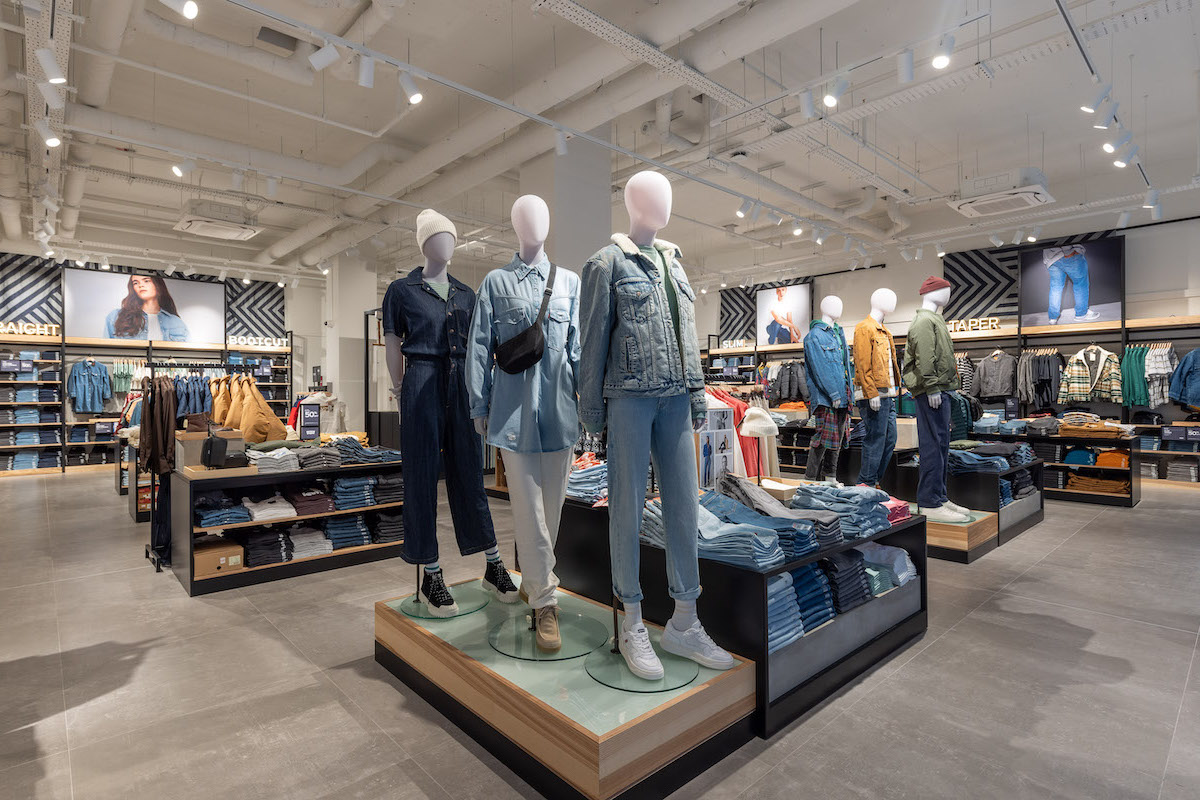
Introduction: The Unique Charm of Outlet Stores
In the expansive landscape of retail, outlet stores occupy a distinctive niche that blends savvy shopping with the thrill of discovery. These stores, often situated away from conventional shopping districts, offer consumers access to branded merchandise at reduced prices, making them a beloved destination for bargain hunters and fashion enthusiasts alike. Beyond mere discount shopping, outlet stores provide an experience steeped in value, variety, and a subtle allure of exclusivity. This article explores the essence of outlet stores, their historical evolution, operational dynamics, and the enduring reasons behind their popularity.
The Origins and Evolution of Outlet Stores
Outlet stores trace their roots to the mid-20th century, when manufacturers began selling excess inventory and factory seconds directly to consumers. This strategy served dual purposes: clearing unsold stock and building brand loyalty through affordable access.
-
Factory Origins
Initially, outlets were literally factory stores where production overruns or imperfect goods were sold. -
Expansion in the 1980s and 1990s
As demand grew, outlet malls blossomed into dedicated shopping complexes, attracting major brands eager to tap into the discount market without diluting their mainline prestige. -
Modern Transformation
Today, outlets often stock specially manufactured items for outlet distribution alongside surplus and past-season goods, balancing brand integrity with affordability.
What Defines an Outlet Store?
Understanding outlet stores involves distinguishing them from traditional retail and discount shops. Key characteristics include:
-
Direct Brand Ownership
Unlike off-price retailers, outlet stores are owned or authorized by the brand, ensuring authenticity. -
Discounted Pricing
Products are sold at lower prices, often 25-65% off original retail, due to surplus stock, previous seasons, or made-for-outlet lines. -
Location Strategy
Typically located in suburban areas or dedicated outlet malls, these stores attract shoppers willing to travel for bargains. -
Product Range
Offerings may include overstock items, factory seconds, or merchandise specifically designed for outlet sale.
The Advantages of Shopping at Outlet Stores
Outlet stores offer an array of benefits that resonate strongly with consumers:
-
Exceptional Value
Access to brand-name products at significantly reduced prices provides considerable savings. -
Wide Selection
Outlets often carry diverse inventories, including discontinued styles and exclusive items. -
Quality Assurance
As brand-operated entities, outlets maintain standards of authenticity and product quality. -
Shopping Experience
Outlet malls often feature a lively environment with dining, entertainment, and a community feel. -
Accessibility to Premium Brands
Shoppers who might find regular retail prices prohibitive can indulge in luxury and designer brands affordably.
Considerations When Shopping at Outlet Stores
While the benefits are enticing, informed shoppers recognize certain nuances:
-
Product Variations
Some items may differ slightly in design or quality compared to mainline store merchandise. -
Limited Sizes and Stock
Inventory can be unpredictable and sizing options limited, requiring patience and persistence. -
Return Policies
Outlet stores may have more restrictive return or exchange policies compared to flagship locations. -
Travel Commitment
Outlet malls often require longer travel, though many offer robust amenities to compensate.
How Outlet Stores Fit Into the Retail Ecosystem
Outlet stores have carved out a strategic role that complements traditional retail and off-price channels:
-
Brand Protection
By controlling outlet inventory, brands safeguard their premium image while reaching budget-conscious customers. -
Inventory Management
Outlets provide an efficient channel to clear excess stock without heavy discounting in flagship stores. -
Consumer Engagement
Offering exclusive outlet-only merchandise helps maintain shopper interest and loyalty. -
Competitive Edge
Outlets allow brands to compete with third-party discounters by providing an official source for discounted goods.
Tips for Making the Most of Outlet Store Shopping
To maximize value and enjoyment, consider these strategies:
-
Research Ahead
Know the layout, store offerings, and any upcoming sales or special events. -
Visit Early
Arriving early improves chances of finding the best sizes and selections. -
Set a Budget
Outlet shopping can tempt overspending; define spending limits beforehand. -
Inspect Items Carefully
Check for factory seconds or imperfections, especially if prices seem exceptionally low. -
Sign Up for Newsletters
Many outlet malls and stores offer exclusive coupons and notifications for loyal shoppers. -
Combine with Leisure
Take advantage of dining and entertainment options for a well-rounded day out.
The Future of Outlet Stores in a Digital Age
As e-commerce reshapes retail, outlet stores face both challenges and opportunities:
-
Omnichannel Integration
Many outlets now complement physical stores with online inventory checks and digital coupons. -
Experiential Focus
To compete with online convenience, outlets emphasize immersive experiences, including family-friendly amenities and events. -
Sustainability Awareness
Outlet retailers are increasingly addressing eco-conscious consumers by offering sustainably produced and responsibly sourced products. -
Customization and Personalization
Emerging technologies may allow outlets to tailor offerings and promotions more precisely.
Conclusion: The Enduring Allure of Outlet Stores
Outlet stores remain a compelling intersection of value, quality, and discovery. They democratize access to prestigious brands, offering consumers an opportunity to indulge in their favorite labels without straining budgets. More than just discount centers, outlet stores have evolved into vibrant destinations that blend shopping with leisure, fostering community and excitement.
In an ever-changing retail environment, their ability to adapt—through strategic product curation, customer experience enhancements, and embracing digital tools—ensures that outlet stores will continue to captivate shoppers. For those who appreciate the art of savvy shopping, outlet stores embody an enduring promise: authentic quality at accessible prices, wrapped in an experience that delights beyond the transaction.

Comments are closed.