

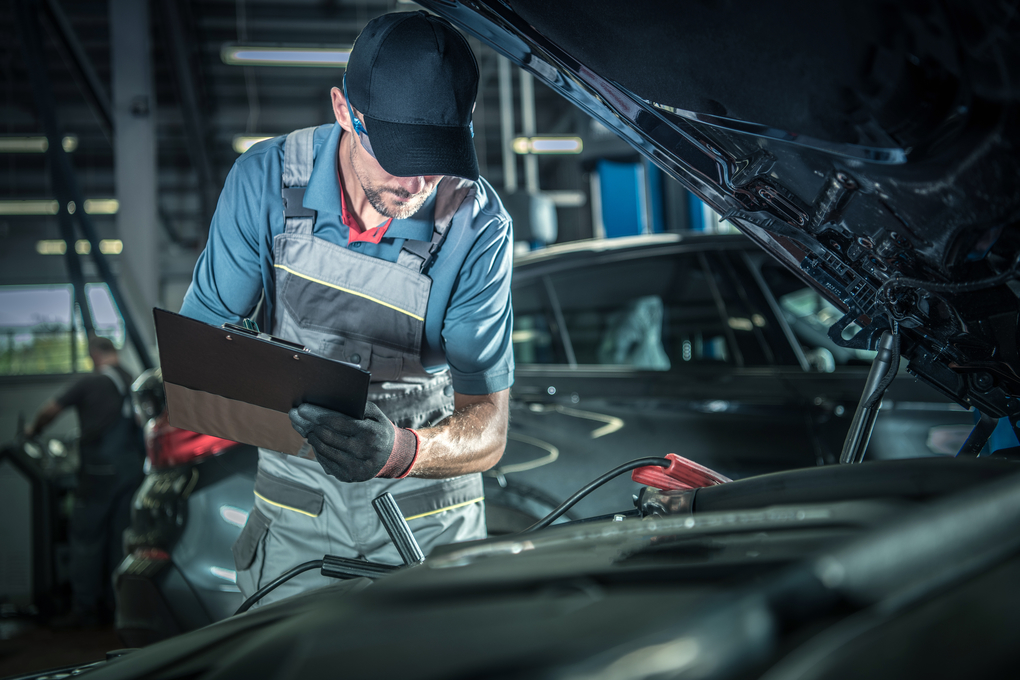
Regular inspections are one of the most valuable yet often overlooked aspects of vehicle maintenance. Many drivers wait until a problem surfaces before visiting a mechanic, but this reactive approach can lead to expensive repairs, reduced vehicle lifespan, and even safety risks. Choosing to schedule consistent checkups at your auto repair shop is a proactive investment in your car’s health, performance, and your peace of mind.
Routine inspections are not just about spotting issues early—they are about maintaining long-term reliability and ensuring your vehicle runs efficiently in all driving conditions. In this article, we’ll explore in depth the benefits of regular inspections, what they involve, and how they contribute to overall vehicle longevity and safety.
Understanding the Purpose of Regular Auto Inspections
A regular vehicle inspection is a comprehensive evaluation performed by skilled technicians to assess the condition of your car’s mechanical, electrical, and safety systems. These inspections help detect potential issues that may not yet cause visible symptoms but could soon lead to breakdowns.
Auto inspections typically cover components such as brakes, tires, suspension, fluids, belts, batteries, and exhaust systems. By examining each of these areas regularly, you allow your mechanic to address minor wear and tear before it becomes a major concern.
Regular inspections also support proper recordkeeping of your vehicle’s maintenance history, which helps mechanics track performance trends and anticipate future needs more accurately.
Early Detection Prevents Costly Repairs
One of the most significant advantages of scheduling regular inspections at an auto repair shop is early problem detection. Vehicles are complex systems, and small issues in one area can often affect other parts if left unchecked.
For instance, a minor oil leak may seem insignificant at first, but over time, it could lead to engine overheating and serious internal damage. Similarly, worn brake pads can compromise your vehicle’s safety and lead to more expensive rotor replacements later.
Key examples of cost-saving early detections include:
- Identifying minor fluid leaks before they damage the engine
- Detecting uneven tire wear that signals alignment or suspension problems
- Finding small cracks in belts or hoses that could cause roadside breakdowns
- Catching failing batteries before they leave you stranded
By investing in preventive maintenance through regular inspections, you spend less over time and maintain higher vehicle reliability.
Enhanced Vehicle Safety and Reliability
Safety should always be a top priority when it comes to driving. Regular inspections ensure your car remains roadworthy and minimizes the risk of unexpected failures. During an inspection, technicians thoroughly examine your brakes, tires, suspension, steering system, and lighting—all critical for safe operation.
A car that receives consistent inspections not only runs better but also offers improved safety for you and your passengers. The mechanic’s trained eye can catch potential hazards such as worn-out brake lines, loose steering components, or dim headlamps long before they cause accidents.
Regularly serviced vehicles statistically experience fewer breakdowns and accidents. Maintaining your car’s safety systems keeps you compliant with state regulations and helps avoid fines or rejections during official safety checks.
Improved Fuel Efficiency
Neglecting small maintenance issues can silently impact your car’s fuel economy. For example, under-inflated tires, clogged air filters, or dirty fuel injectors make your engine work harder, consuming more gas.
Regular inspections help ensure that all engine and fuel system components operate efficiently. When spark plugs fire correctly, filters remain clean, and tires maintain proper pressure, your vehicle uses fuel more effectively.
During an inspection, mechanics typically check:
- Tire pressure and tread condition
- Air filters and fuel filters
- Engine oil viscosity and cleanliness
- Oxygen sensors and emission control systems
- Spark plug performance
Addressing these minor details regularly can significantly reduce fuel consumption, helping you save money at the pump and minimize your carbon footprint.
Extended Vehicle Lifespan
Consistent maintenance and inspections directly extend the life of your car. Every vehicle has parts that naturally wear out over time, but regular evaluations ensure replacements occur before failure.
By following a structured inspection routine, your mechanic can identify stress points and recommend timely part replacements. This not only prevents major damage but also keeps your car’s systems operating harmoniously.
A well-maintained engine, transmission, and braking system can easily add several years to your car’s life expectancy. Instead of replacing your vehicle prematurely, you can enjoy dependable performance for longer.
Maintaining Warranty and Resale Value
If your car is under a manufacturer’s or extended warranty, regular inspections are often a requirement to maintain coverage. Skipping inspections or delaying service could void the warranty, leaving you responsible for repairs that could have been covered.
Even if your car is no longer under warranty, consistent inspections preserve its resale value. A vehicle with a documented history of professional inspections and regular maintenance commands higher resale prices because buyers trust that it’s been well cared for.
When selling or trading in your car, providing inspection reports builds confidence with potential buyers and demonstrates your commitment to upkeep.
Environmental Benefits of Regular Inspections
Regular inspections at your auto repair shop also play a key role in reducing your vehicle’s environmental impact. Properly maintained engines and exhaust systems emit fewer pollutants, which helps meet environmental standards and contributes to cleaner air.
When your vehicle’s emission system functions correctly, it reduces carbon monoxide, nitrogen oxide, and hydrocarbon emissions. Additionally, well-maintained engines operate more efficiently, conserving fuel and minimizing waste.
Common inspection tasks that support environmental responsibility include:
- Checking and replacing air filters to reduce emissions
- Inspecting catalytic converters for damage or clogging
- Ensuring fuel and exhaust systems are leak-free
- Monitoring oxygen sensors for optimal performance
Taking care of your vehicle doesn’t just protect your investment—it also supports sustainability and responsible driving habits.
Consistency Builds Trust with Your Auto Repair Shop
When you visit the same repair shop for regular inspections, you begin to develop a professional relationship based on trust and familiarity. Over time, your mechanic learns your vehicle’s unique quirks, maintenance history, and performance trends.
This familiarity enables more accurate diagnostics and personalized service recommendations. You’ll also feel more confident knowing your technician understands your vehicle inside and out.
Loyalty to a single repair shop can also lead to priority scheduling, personalized reminders, and even loyalty discounts. Establishing this partnership ensures consistent care and fosters transparent communication between you and your mechanic.
Improved Performance and Driving Comfort
A well-maintained car doesn’t just last longer—it drives better. Routine inspections keep your car running smoothly, providing a more comfortable, responsive, and enjoyable driving experience.
When suspension components, tires, and alignment are regularly checked, you’ll notice improved handling and reduced vibration. Likewise, timely oil changes and clean filters enhance engine responsiveness.
By keeping all systems in peak condition, you reduce noise, vibration, and harshness while improving acceleration and stability. Regular inspections ensure that every drive feels as effortless as possible.
Avoiding Unexpected Breakdowns
Few situations are more stressful than being stranded on the side of the road due to a breakdown that could have been prevented. Regular inspections significantly reduce this risk by catching worn components before they fail.
For example, during a routine inspection, a technician may spot a weak alternator belt, corroded battery terminals, or a failing water pump. Addressing these issues ahead of time helps you avoid the inconvenience and cost of emergency roadside assistance or towing.
Proactive maintenance not only prevents mechanical failure but also enhances your confidence when traveling long distances or in challenging weather conditions.
Supporting Optimal Tire Health
Tires are one of the most critical yet commonly neglected aspects of vehicle maintenance. Regular inspections ensure your tires remain safe, balanced, and properly aligned.
Mechanics check for tread wear, uneven patterns, and punctures that may not be visible at first glance. They also monitor tire pressure, which affects fuel efficiency and handling.
Maintaining healthy tires prevents blowouts, improves traction, and ensures even wear. Over time, consistent tire inspections can save you from premature replacements and costly repairs to suspension or steering components.
Real-Life Scenarios Where Regular Inspections Make a Difference
To truly understand the importance of routine inspections, consider these real-life scenarios:
- Scenario 1: A driver ignores a slight vibration at highway speeds. During a scheduled inspection, a mechanic discovers uneven tire wear due to misalignment. Early correction prevents suspension damage and saves hundreds in future repairs.
- Scenario 2: Another vehicle owner brings their car in for an oil change, and the technician spots a small coolant leak. Fixing it immediately prevents overheating that could have destroyed the engine.
- Scenario 3: A routine check reveals low brake fluid, leading to the discovery of a worn brake line. Replacing it prevents a complete brake failure and potential accident.
These examples highlight how regular inspections act as a protective shield against unexpected expenses and dangerous situations.
Frequently Asked Questions
Q1. How often should I schedule a regular inspection at my auto repair shop?
It’s generally recommended to schedule a full inspection every 6 months or every 5,000 to 7,500 miles, depending on your driving habits and vehicle type.
Q2. Are regular inspections different from state safety inspections?
Yes. State inspections focus primarily on legal and safety compliance, while regular inspections are more comprehensive and preventive, addressing performance, efficiency, and longevity.
Q3. What is typically included in a routine inspection?
Routine inspections cover brakes, tires, fluids, belts, filters, lights, battery, suspension, and exhaust systems. Some shops also include computer diagnostics for modern vehicles.
Q4. How much does a regular vehicle inspection usually cost?
Costs vary depending on location and vehicle type, but most basic inspections range from $50 to $150. The value lies in preventing thousands of dollars in potential repairs.
Q5. Can regular inspections improve my car’s resale price?
Absolutely. A well-documented inspection history proves your car has been properly maintained, increasing buyer confidence and resale value.
Regular inspections at your auto repair shop are not a luxury—they are a necessity. They protect your investment, ensure safety, improve fuel efficiency, and help you avoid the stress and expense of unexpected repairs. A proactive approach today can mean years of smooth, reliable driving ahead.

Comments are closed.